A Beginner's Overview to Recognizing Aluminum Foundry Tooling and Mold Production
Aluminum foundry tooling and mold and mildew production is a customized location within production. Recognizing the fundamentals is vital for beginners. Different mold types, such as sand and investment mold and mildews, accommodate various production needs. Secret tools and procedures play a considerable duty in accomplishing successful results. As one navigates this complex area, the interplay between layout and execution ends up being noticeable. What important methods and understandings might change a newbie into a competent aluminum foundry expert?
Recognizing the Essentials of Aluminum Casting
Although several steels can be cast, aluminum stands out as a result of its special properties and flexibility. This light-weight metal features excellent rust resistance, thermal conductivity, and malleability, making it a preferred selection throughout various industries. The spreading process includes melting light weight aluminum and putting it into a mold and mildew to accomplish desired dimensions and shapes. This method permits precise resistances and intricate styles, which are vital in applications ranging from vehicle parts to aerospace elements.
Sorts Of Molds Utilized in Aluminum Foundry
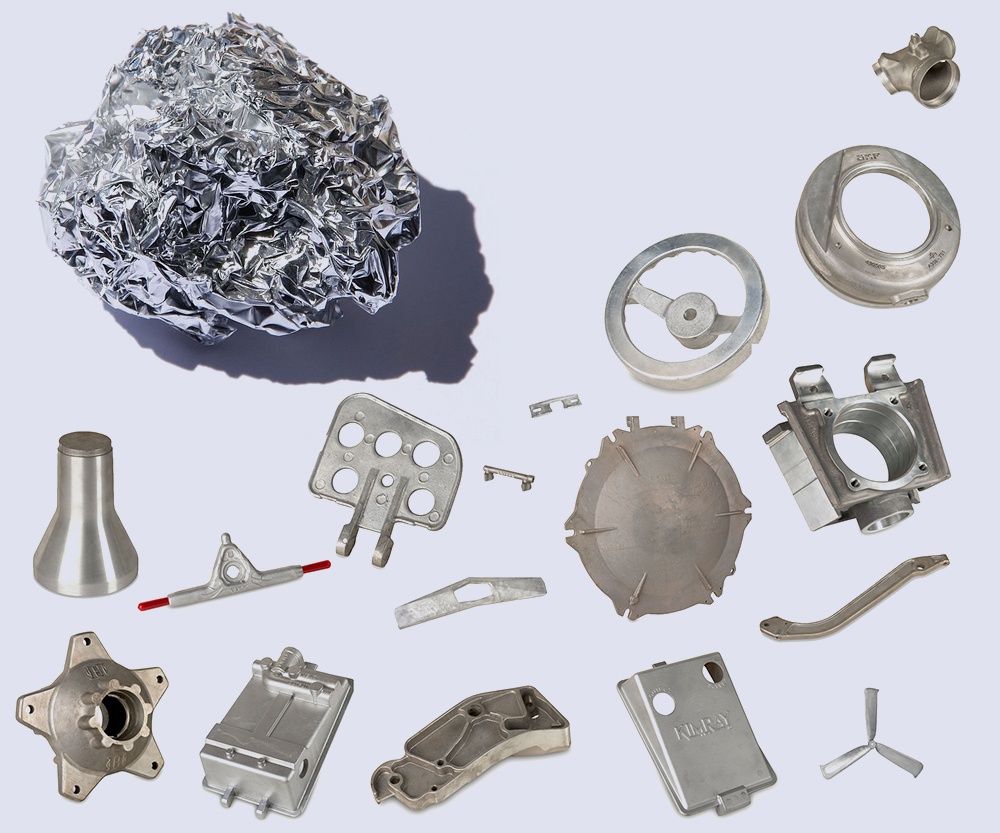
When selecting molds for aluminum foundry applications, various types are readily available, each designed to fulfill particular production needs and casting techniques. The most usual kinds include sand molds, which are flexible and ideal for complex forms, and irreversible molds, made from metal for high-volume production with far better surface area coatings. An additional kind is financial investment mold and mildews, understood for their precision and fine detail, perfect for detailed styles. Additionally, there are shell mold and mildews, which combine the advantages of sand and permanent mold and mildews, offering sturdiness and exceptional dimensional precision. Finally, pass away casting mold and mildews are used for high-speed production, offering regular top quality and minimized cycle times. Each mold type has special attributes that influence the quality of the final aluminum item, manufacturing performance, and overall prices. Comprehending these types allows foundry specialists to choose one of the most appropriate mold for their certain applications and desired outcomes.
Necessary Devices for Mold Creation
A selection of crucial devices are needed for mold production in aluminum foundry processes, each adding to the performance and accuracy of the casting procedure. Trick tools consist of pattern-making tools, which shape the mold and mildew according to design specs. These can be made from materials like timber, metal, or plastic. Additionally, mold structures are crucial for preserving mold security throughout spreading.
Other essential devices incorporate core boxes, which help create internal tooth cavities within the shaped parts, and gating systems that facilitate the circulation of molten light weight aluminum. For finishing touches, surface completing tools, such as sanders and mills, guarantee the mold surface areas are smooth and accurate.
Securing devices are additionally vital, securing mold and mildews throughout the pouring procedure. Gauging devices, like calipers and assesses, provide precision in mold measurements. With each other, these tools develop the foundation of efficient mold production in light weight aluminum foundries.
The Refine of Making Aluminum Molds
Producing light weight aluminum molds involves a systematic strategy that ensures accuracy and top article quality in the end product. The procedure begins with making the mold, utilizing computer-aided style (CAD) software program to establish an in-depth blueprint. This layout is after that equated into a physical kind via machining, where skilled operators use crushing equipments and turrets to sculpt the mold from solid light weight aluminum blocks.
When the mold is shaped, it undertakes surface treatment to safeguard a smooth finish, which aids in the ejection of the casted components. Hereafter, setting up of the mold and mildew elements takes location, ensuring correct alignment and fit. Next, the mold and mildew is examined for functionality, typically involving test casts to identify any type of possible issues. Modifications might be made based on screening outcomes. With careful attention at each stage, the finished light weight aluminum mold is gotten ready for use in different casting applications, assuring consistent and top notch end results.
Tips for Successful Aluminum Foundry Projects
Successful aluminum foundry jobs count on meticulous planning and execution throughout the whole process. To guarantee optimal outcomes, it is vital to define clear goals before starting any kind of job. This includes recognizing the requirements and needs of the end product. Proper material selection plays a considerable function; making use of top quality light weight aluminum alloys can boost toughness and efficiency.
Additionally, accurate mold style and manufacture are crucial. Precise dimensions and interest to information will certainly reduce defects and lower waste. Integrating sophisticated innovations, such as computer-aided layout (CAD), can greatly boost the design procedure.
It is also crucial to preserve efficient communication amongst team participants to make certain everybody is on the exact same page. Normal evaluations during manufacturing can aid determine potential problems early, enabling for prompt adjustments. Careful post-casting treatments, like machining and ending up, can elevate the high quality of the last item, leading to a successful aluminum foundry job.
Frequently Asked Concerns
What Safety and security Safety Measures Should I Take When Collaborating With Aluminum?
When collaborating with aluminum, people must use protective glasses, gloves, and respiratory system masks. Additionally, ensuring correct ventilation, keeping a clean work space, and using tools securely are vital safety measures to stop crashes and health and wellness risks.
The length of time Does It Require To Produce an Aluminum Mold And Mildew?
Creating a light weight aluminum mold and mildew usually takes anywhere from click for info a few days to a number of weeks. Aluminum Foundry. Aspects influencing this timeline include layout complexity, product availability, and the details methods employed in the mold-making process
Can I Recycle Aluminum Molds for Several Castings?
Yes, aluminum molds can be reused for numerous spreadings. Their sturdiness enables repeated use, although the lifespan may differ based on elements like style complexity and casting problems, which can influence mold integrity with time.
What Is the Expense Range for Aluminum Foundry Tooling?
The price range for aluminum foundry tooling differs significantly, commonly dropping between $1,000 and $10,000 (aluminum casting). Factors influencing the price consist of style intricacy, mold size, and production quantity, affecting total investment needs for manufacturers
Where Can I Find Vendors for Aluminum Foundry Products?
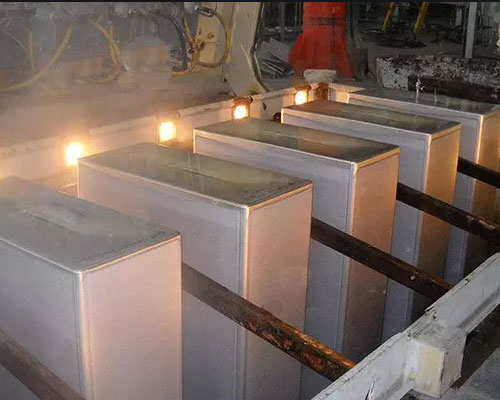
Different mold kinds, such as sand and investment molds, cater to various manufacturing demands (Precision aluminum casting). When choosing mold and mildews for light weight aluminum foundry applications, why not try these out different types are readily available, each created to satisfy details production needs and casting strategies. The most common types consist of sand mold and mildews, which are appropriate and flexible for intricate shapes, and irreversible mold and mildews, made from steel for high-volume production with much better surface area finishes. Furthermore, there are shell molds, which integrate the advantages of sand and irreversible mold and mildews, providing resilience and outstanding dimensional accuracy. A selection of critical tools are needed for mold creation in light weight aluminum foundry processes, each adding to the efficiency and accuracy of the spreading procedure